

What Does Mastering Do?
Mastering is the last thing that happens to your music before it reaches listeners. It takes your finished stereo mix and optimizes it for release, making it louder, clearer, and consistent across different playback systems.
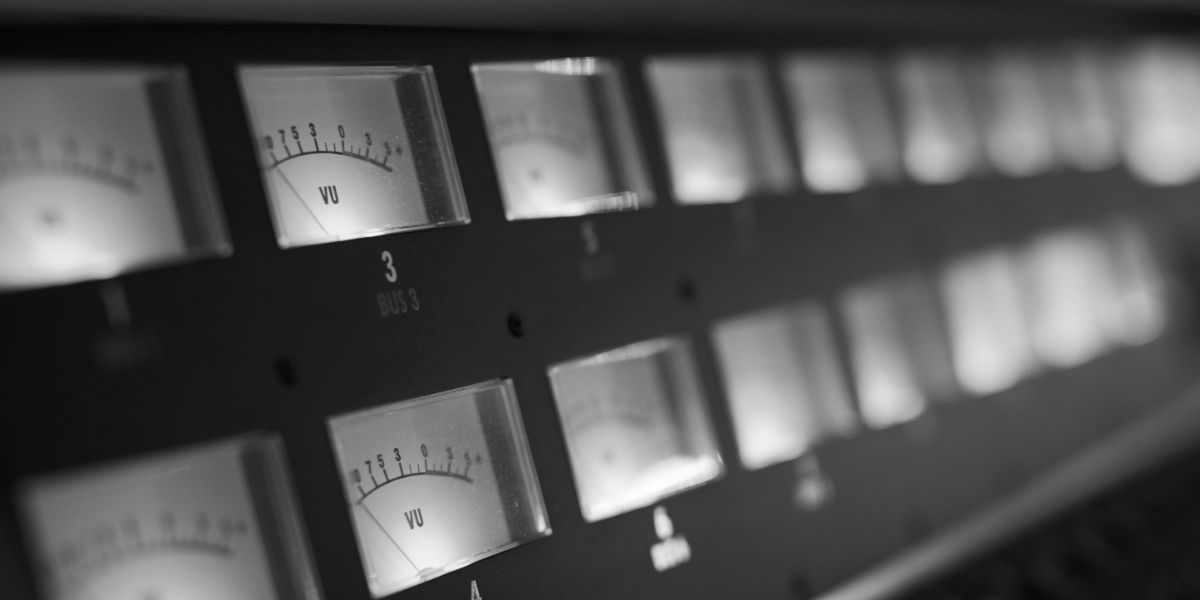
Loudness
An unmastered mix typically peaks around -6 to -3 dBFS and has an integrated loudness well below what streaming platforms expect. When someone listens to your unmastered track and then a mastered commercial release plays next, yours sounds noticeably quieter and thinner.
Mastering brings your track up to a competitive loudness level. Streaming platforms like Spotify normalize to around -14 LUFS, but that's a reference point, not a rule. Some genres push louder. We master to what sounds right for your music and your genre, not just a number on a meter.
Frequency Balance
Different rooms, monitors, and headphones color the sound during mixing. A mix that sounds great in the engineer's room might have too much bass or not enough highs on other systems.
Mastering corrects these imbalances with broad EQ adjustments. The goal is a frequency balance that translates well everywhere: earbuds, car speakers, laptop speakers, studio monitors, club PAs.
Stereo Enhancement
Mastering can widen or tighten the stereo image. If the mix feels narrow, subtle stereo widening opens it up. If certain frequency ranges are too wide and causing phase issues on mono playback (phone speakers, some club systems), we tighten them.
The result is a stereo image that sounds full and immersive on headphones while still translating correctly on mono systems.
Album Consistency
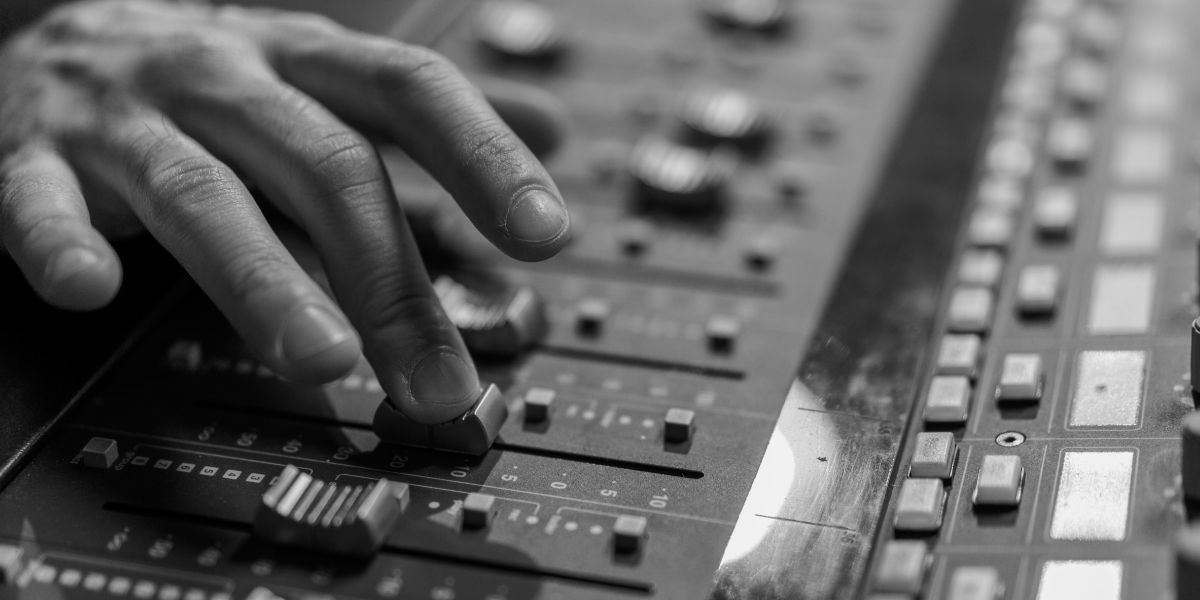
For EPs and albums, mastering ensures all tracks have the same loudness, tonal character, and overall feel. Without mastering, track 3 might be noticeably louder than track 1, or the bass might be heavier on some songs than others.
Mastering ties the release together so it plays as a cohesive body of work, not a random collection of mixes from different sessions.
Do You Need It?
If you're releasing music publicly, on streaming platforms, Bandcamp, physical media, or even just SoundCloud, yes, you need mastering. Unmastered tracks sound amateur next to mastered commercial releases.
If you're just making reference recordings for personal use or rehearsal evaluation, mastering isn't necessary. But for anything that reaches an audience, it's the step that makes your music competitive.
Frequently Asked Questions
Put This into Practice
Book a session at our Las Cruces studio, or have us bring the setup to you.
Book a Session