

Drum Recording
Drums are the hardest instrument to record well. A kick mic, snare mic, tom mics, overhead mics. Each one captures a different element of the kit and they all need to work together without phase issues or frequency masking. GoatHead Audio brings a complete drum mic setup and the engineering knowledge to make it sound right.
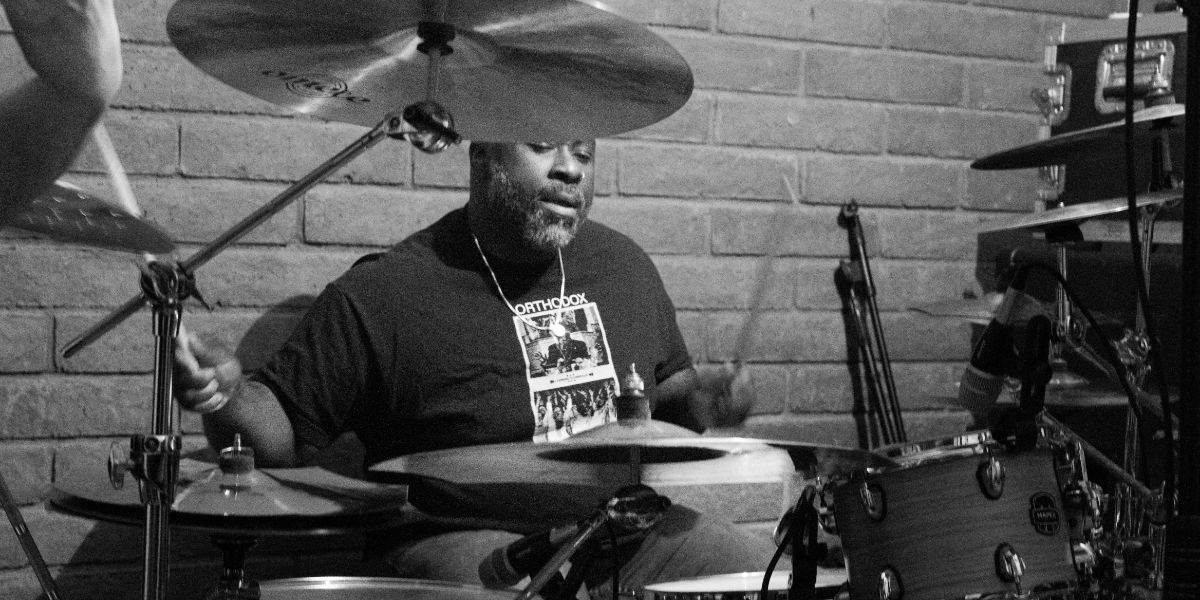
Our Drum Mic Setup
Kick: Shure Beta 52A outside, Beta 91A boundary mic inside for a punchy, controlled kick sound.
Snare: SM57 on top, sometimes a second mic underneath for snare wire detail.
Toms: SM57s or PG DMK6 mics. One per tom.
Overheads: Condenser pair for cymbals and overall kit image.
Hi-hat: Dedicated mic when needed for extra control.
Every mic goes to its own channel. Full isolation for mixing.
Drum-Only Sessions
If you need drum tracks recorded for a project where other instruments are being tracked elsewhere or at home, we do drum-only sessions. Set up the kit, mic it properly, and track to a click or a scratch guitar feed.
This is common for artists who have a home studio for guitar, bass, and vocals but lack the mics and space to properly capture drums.
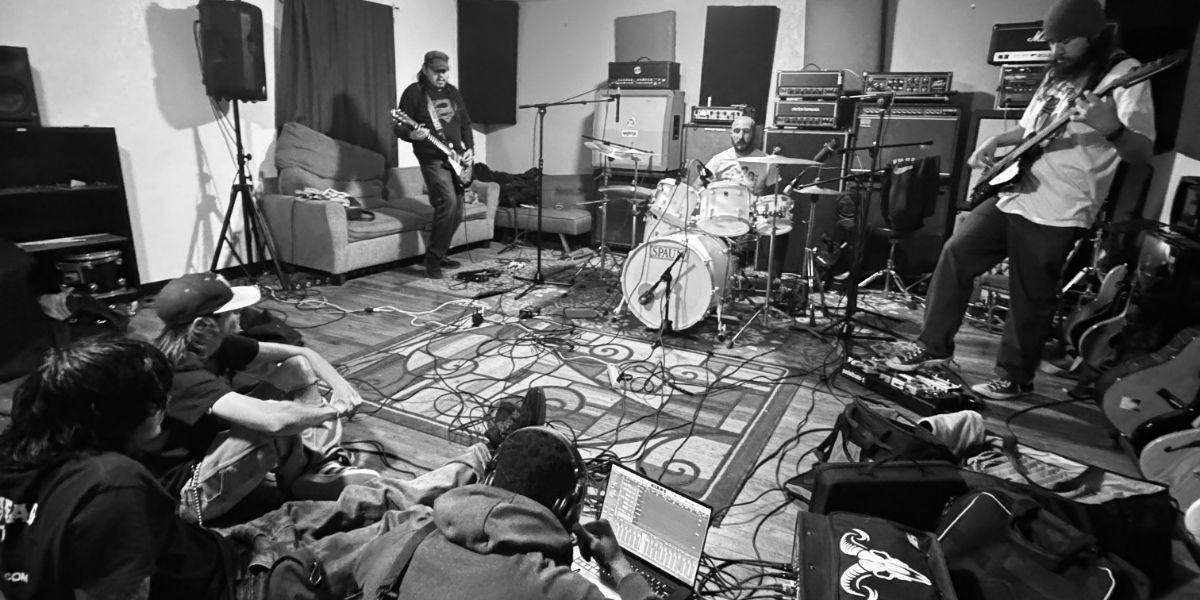
Phase: Why Drum Recordings Sound Thin
When several mics capture the same kit, they hear each drum at slightly different moments, and if those signals fight each other the result is a thin, hollow kick and a snare with no body. Getting drums to sound big is mostly about phase. We position the overheads equidistant from the snare, check the kick and snare mics against each other, and flip polarity where needed so everything reinforces instead of cancels.
This is the step most home recordings skip, and it is why a properly miked kit through our rig sounds fuller than the same kit captured with a couple of mics and no phase check.
Tune and Dampen Before You Track
No amount of mixing fixes a badly tuned kit. The best thing a drummer can do before a session is put on fresh heads and tune the drums to sing, with rings and overtones controlled to taste. We help dial in dampening on the day, a little moongel on a ringing tom, a pillow or port tweak in the kick, but starting with good heads and a tuned kit makes everything downstream easier.
We also read the room: a too-live space gets some dampening, a dead one might get a room mic farther back to add life. The kit and the room are recorded together, so both have to be right.